Insights
Knowledge Management
When an experienced employee leaves, most companies lose more than a headcount — they lose judgment calls that were never written down. This category is about what it actually takes to move knowledge out of people's heads and into something the organization can rely on, search, and hand to an AI system without losing what made it valuable in the first place.
Start here — Pillar article:
Why OKELAS perspective: Knowledge as Infrastructure — why we don't treat knowledge as a filing cabinet →
Assess it: Take the Knowledge Readiness Assessment →
Topics we're covering here (more added regularly):
- Organizational knowledge — what it is once you get specific about it
- Tacit → explicit knowledge — the conversion that most companies skip
- Knowledge sharing — why "put it on the shared drive" doesn't count
- Knowledge retention — the real cost of a key employee leaving
- Knowledge infrastructure — building for reuse, not just storage
- Knowledge management + AI — what an AI system needs from your knowledge to be useful
All Knowledge Management articles
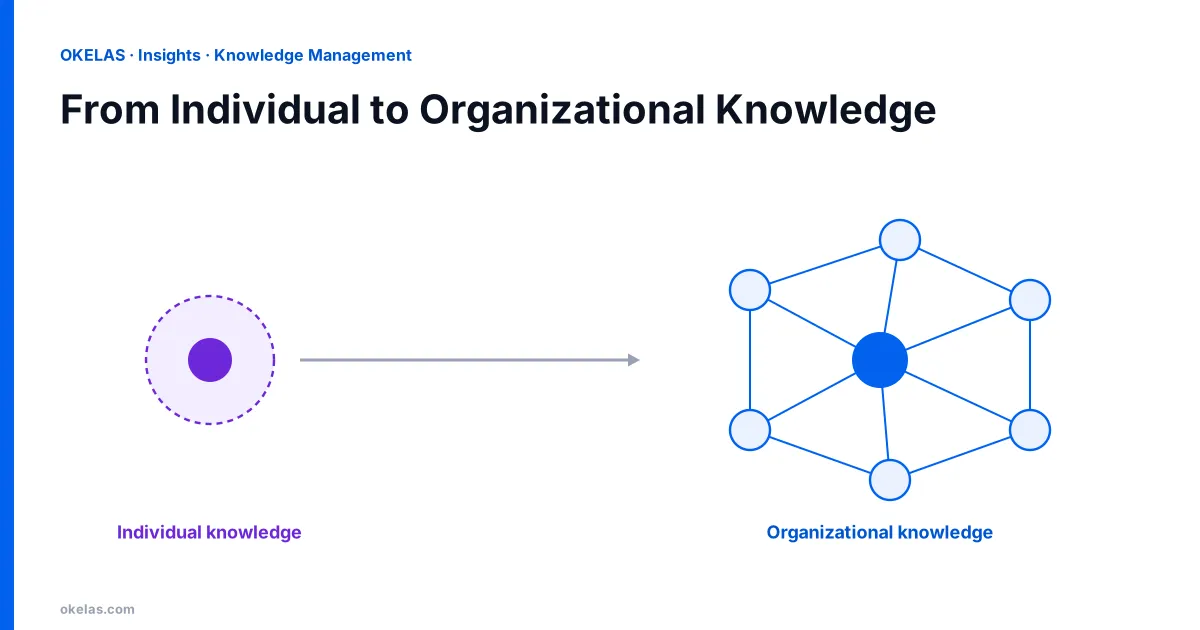 From Individual Knowledge to Organizational Knowledge: A Manufacturing Challenge You Can't AvoidPillarAwareness
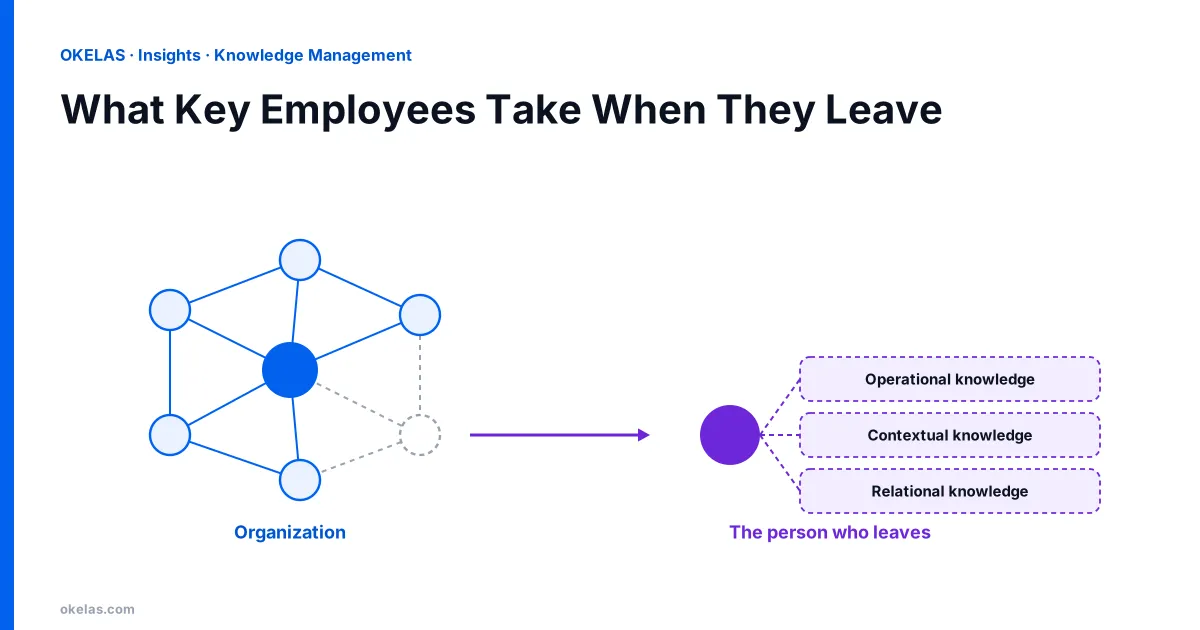 When Key Employees Leave: What They Take That You Can't Replace by HiringOpeningAwareness
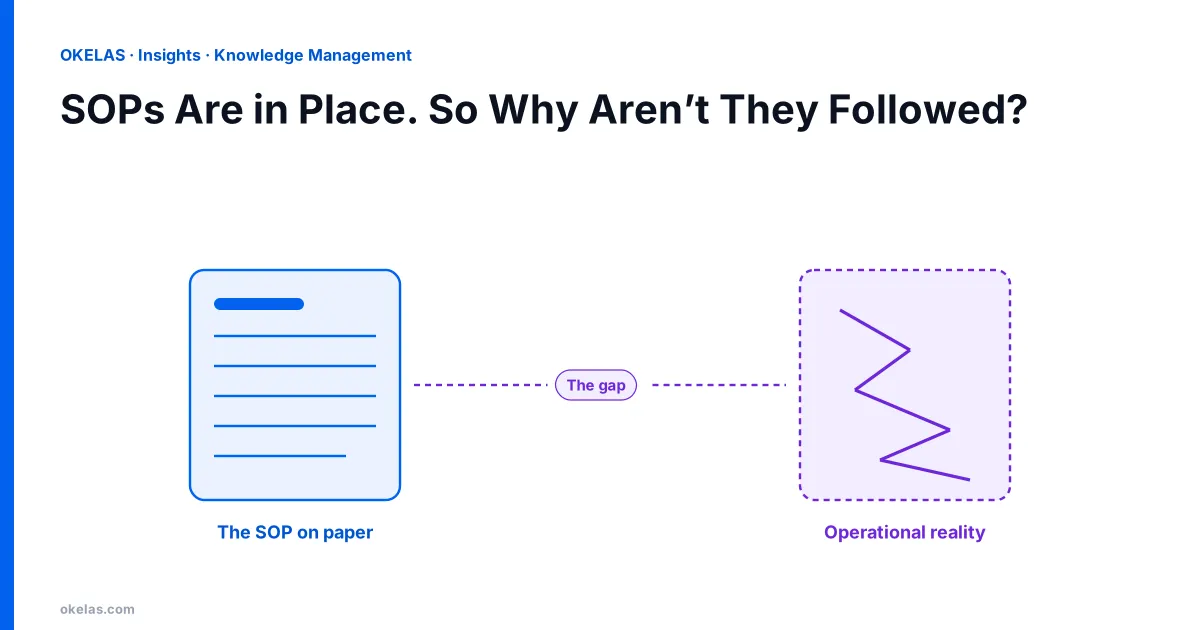 SOPs Are in Place — So Why Aren't They Being Followed?AnalysisUnderstanding
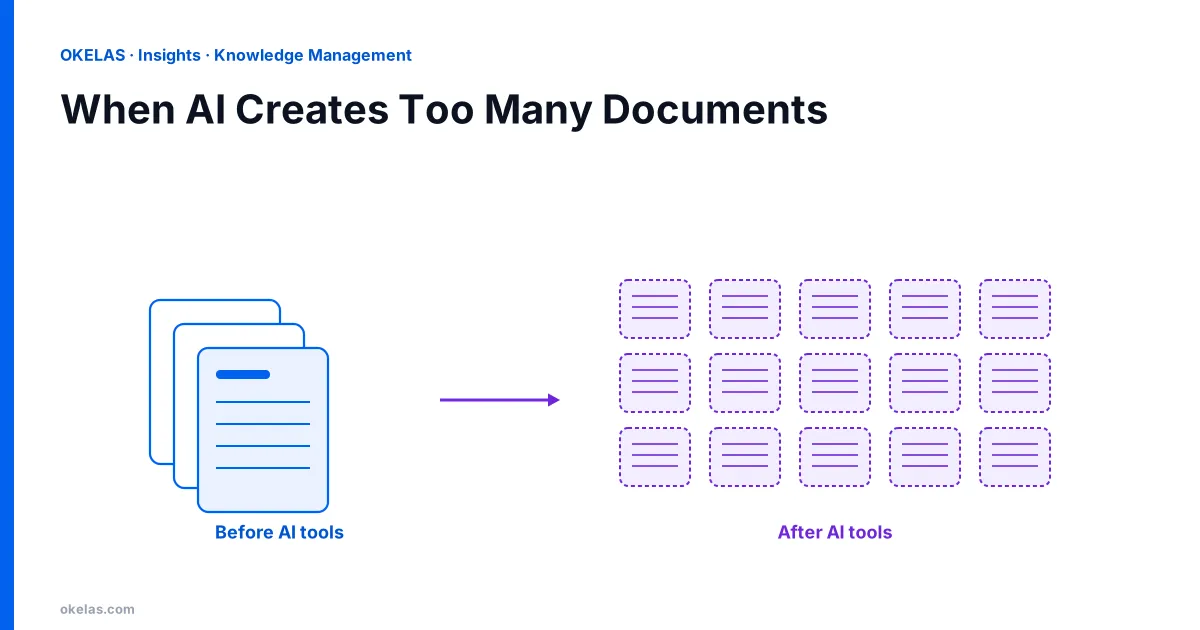 Document Explosion: When AI Creates More Documents Than Your Organization Can ManageOpeningAwareness
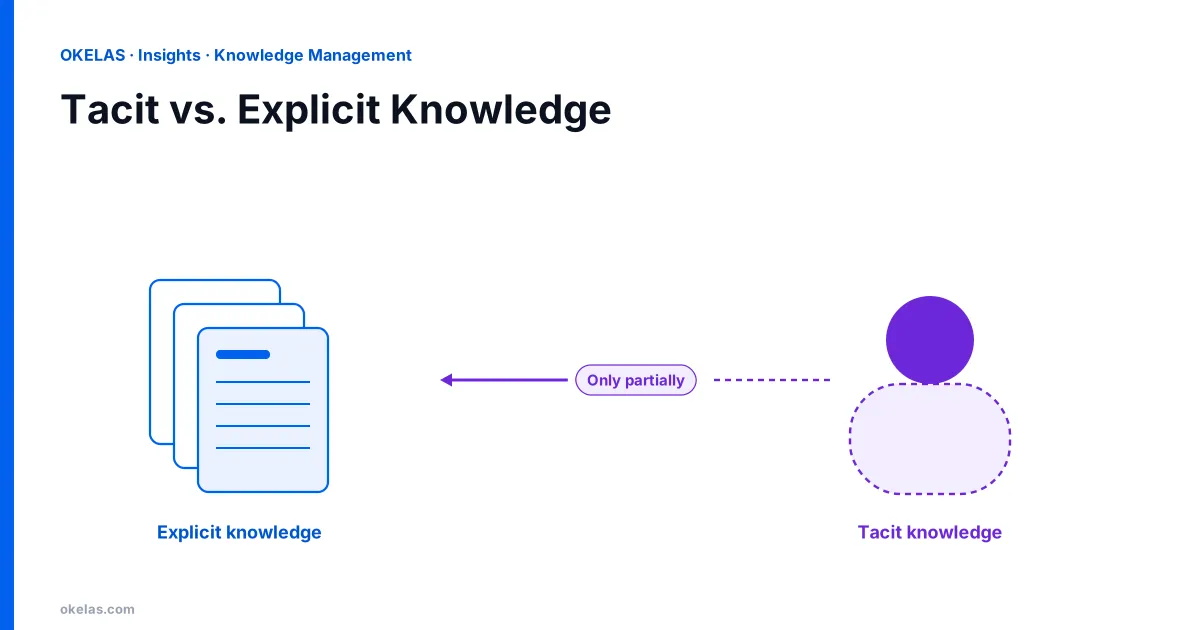 Tacit vs. Explicit Knowledge: What Every Organization Needs to UnderstandAnalysisUnderstanding
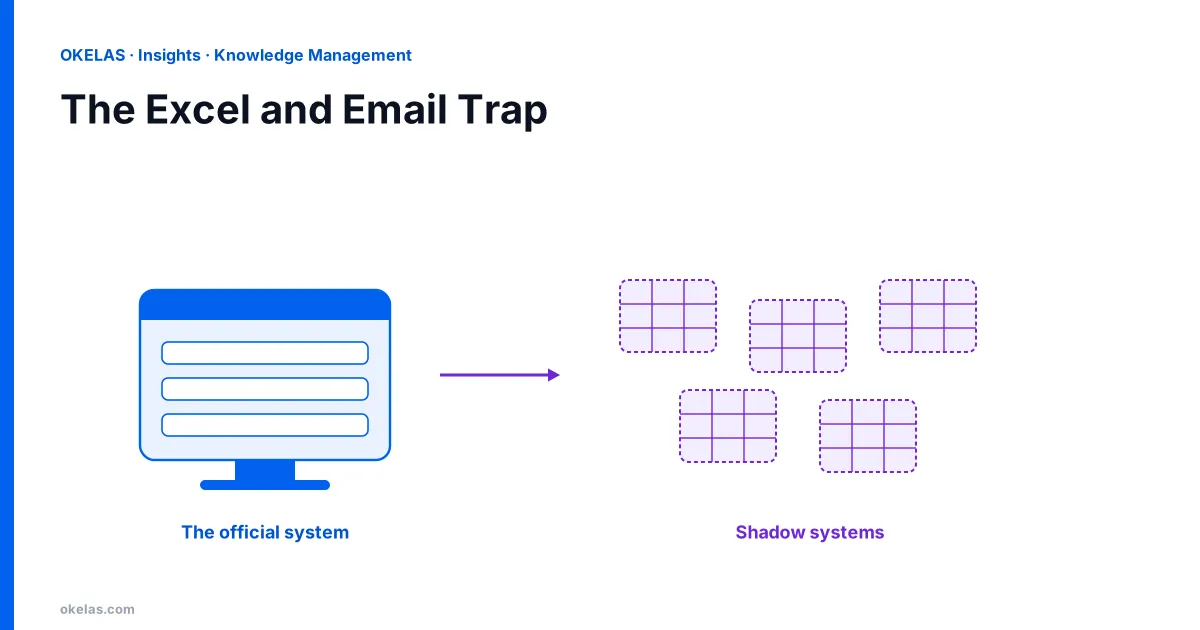 The Excel and Email Trap: Why Spreadsheets Become Your Shadow Operating SystemAnalysisUnderstanding
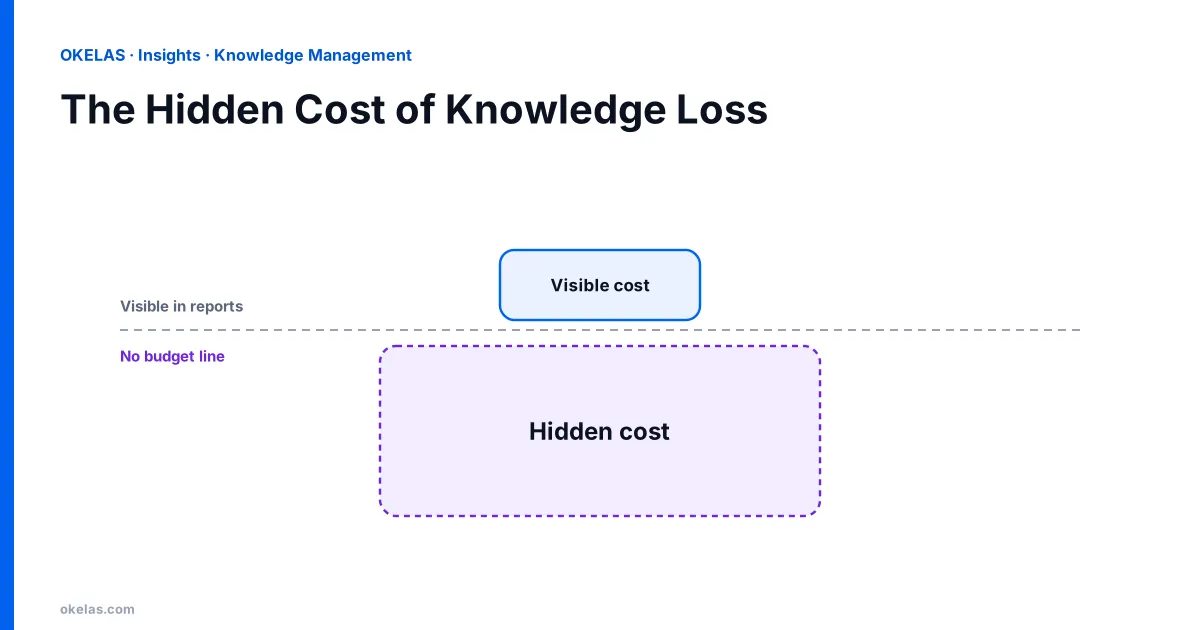 The Hidden Cost of Knowledge Loss in ManufacturingCase & EvidenceUnderstanding
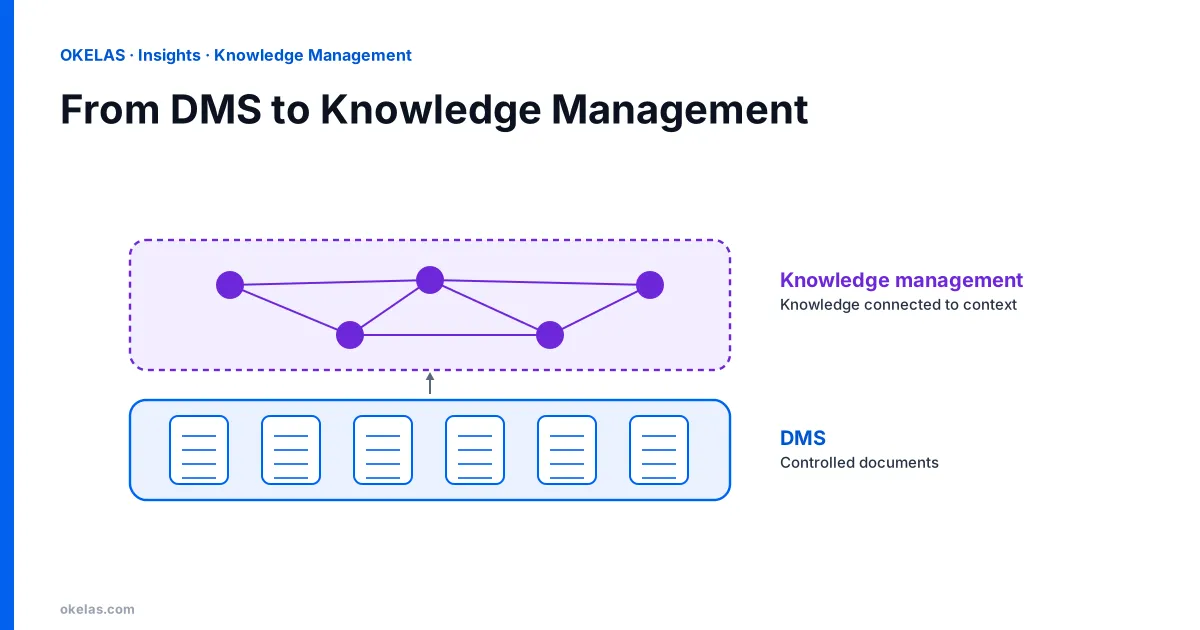 From DMS to Knowledge Management: The Difference That MattersAnalysisConsideration
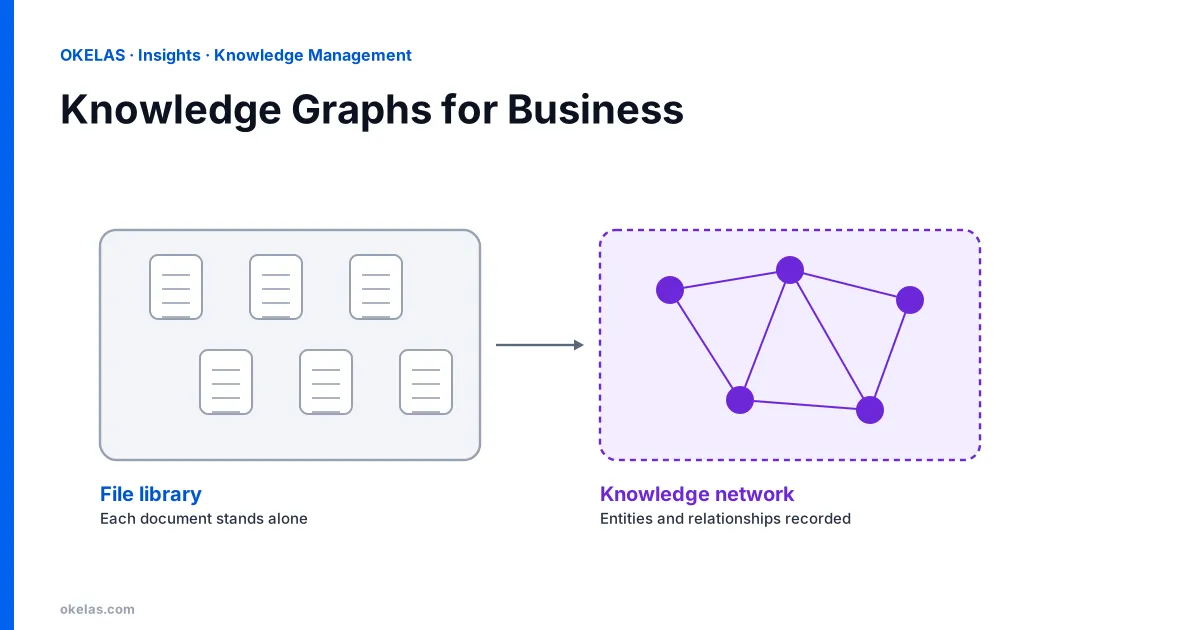 Knowledge Graphs for Business: Structure Your Knowledge So It Can Actually Be UsedAnalysisConsideration
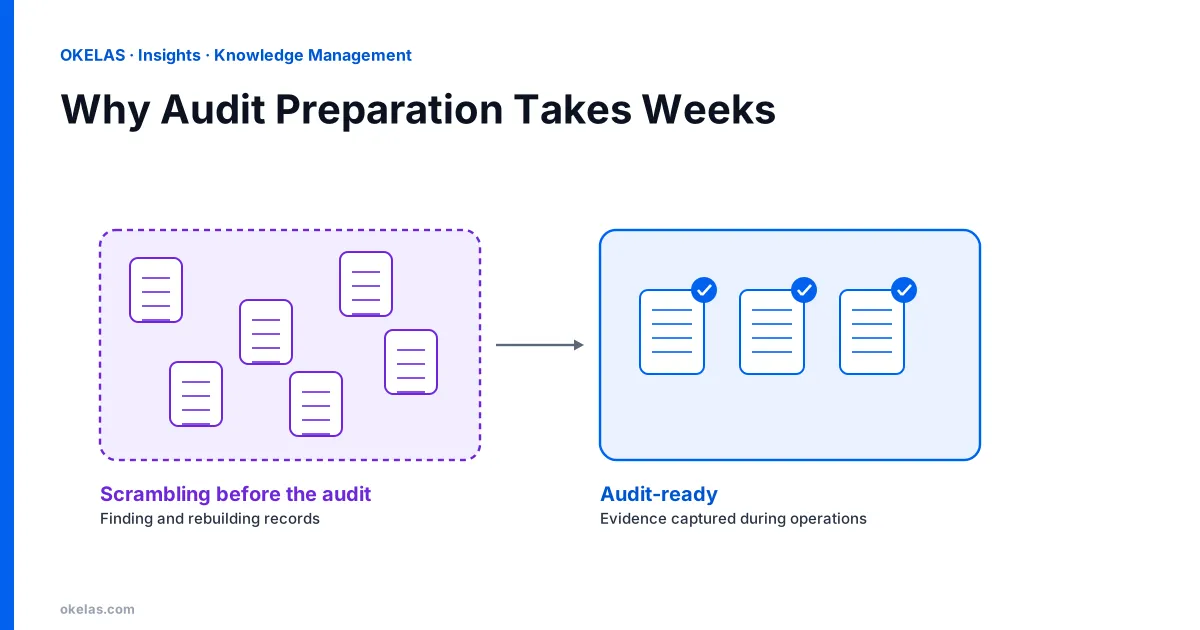 Why Audit Preparation Takes Weeks — and What That RevealsOpeningAwareness
How dependent is your organization on specific people?
The Knowledge Readiness Assessment helps identify where knowledge lives — and what happens if the people holding it leave.