
Insights
AI
AI can now help a small team produce output that used to take a much larger one. But that's not the same as the organization becoming more capable — and for a lot of businesses, the gap between "we use AI" and "AI is actually useful in daily operations" is bigger than it looks. This section covers two series: readiness (the conditions that determine whether AI is actually useful) and AI control (when AI agents start acting, not just answering).
Series 1 — AI Readiness: Why AI Alone Won't Make Your Organization More Intelligent →
Series 2 — AI Control Layer: What Should AI Be Allowed to Do? Why Enterprise AI Needs a Control Layer →
Assess it: Take the AI Readiness Assessment →
Series 1: AI Readiness
The conditions that determine whether AI is actually useful in operations — or just fast at generating output.
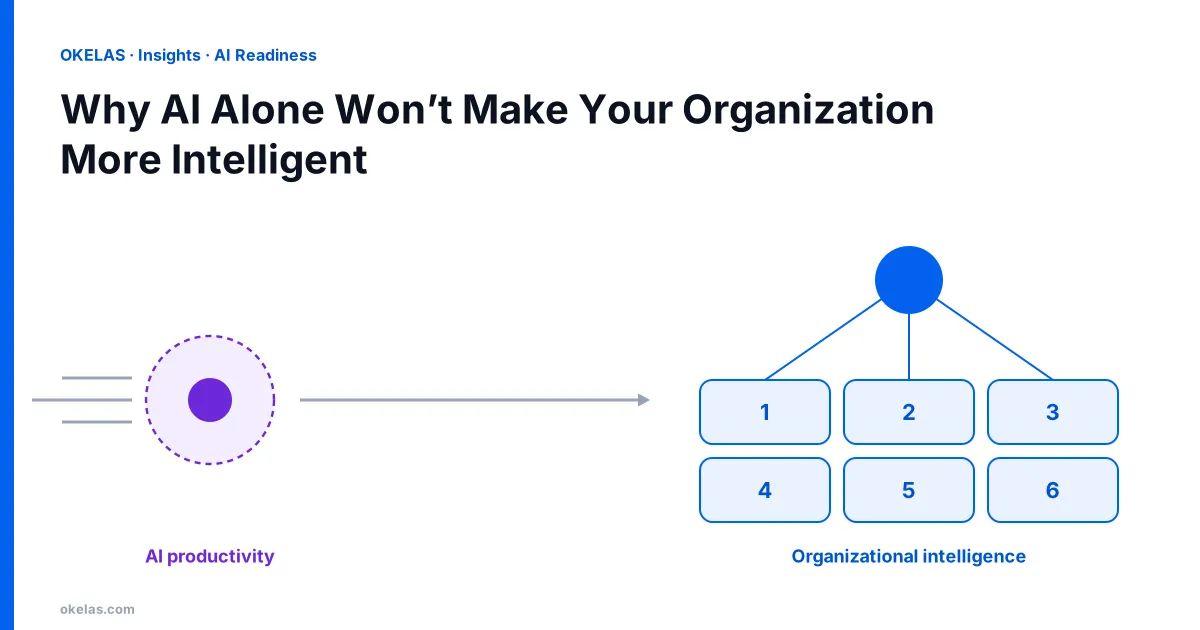 Organizational AI Readiness — Why AI Alone Won't Make Your Organization More IntelligentPillarAwareness
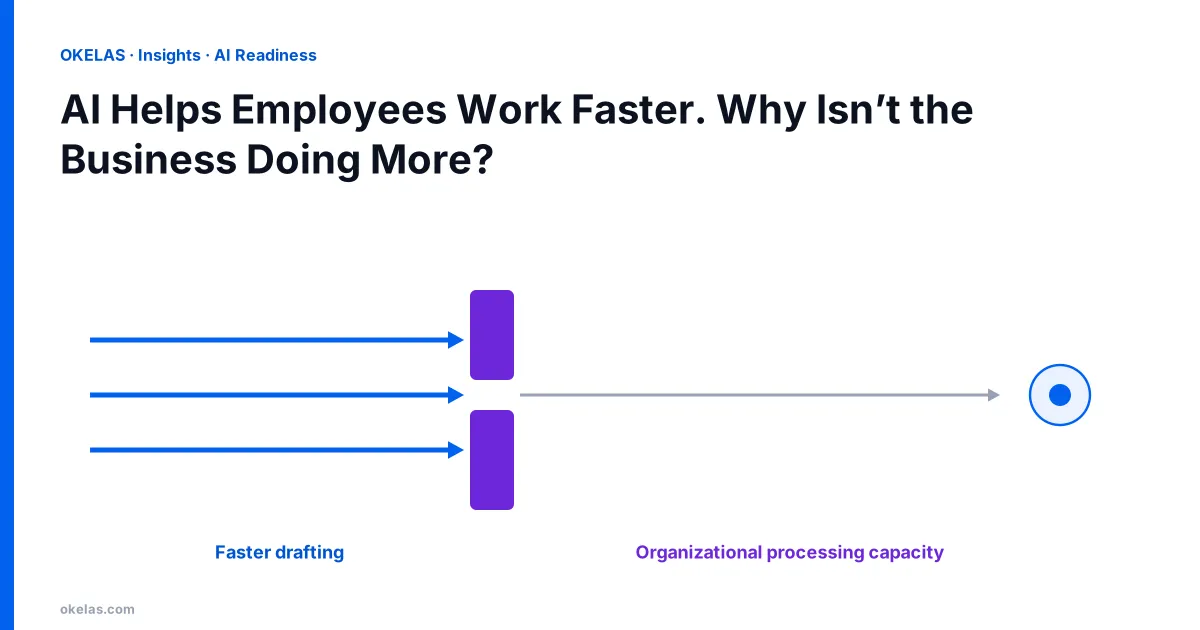 AI Helps Employees Work Faster. Why Isn't the Business Doing More?OpeningAwareness
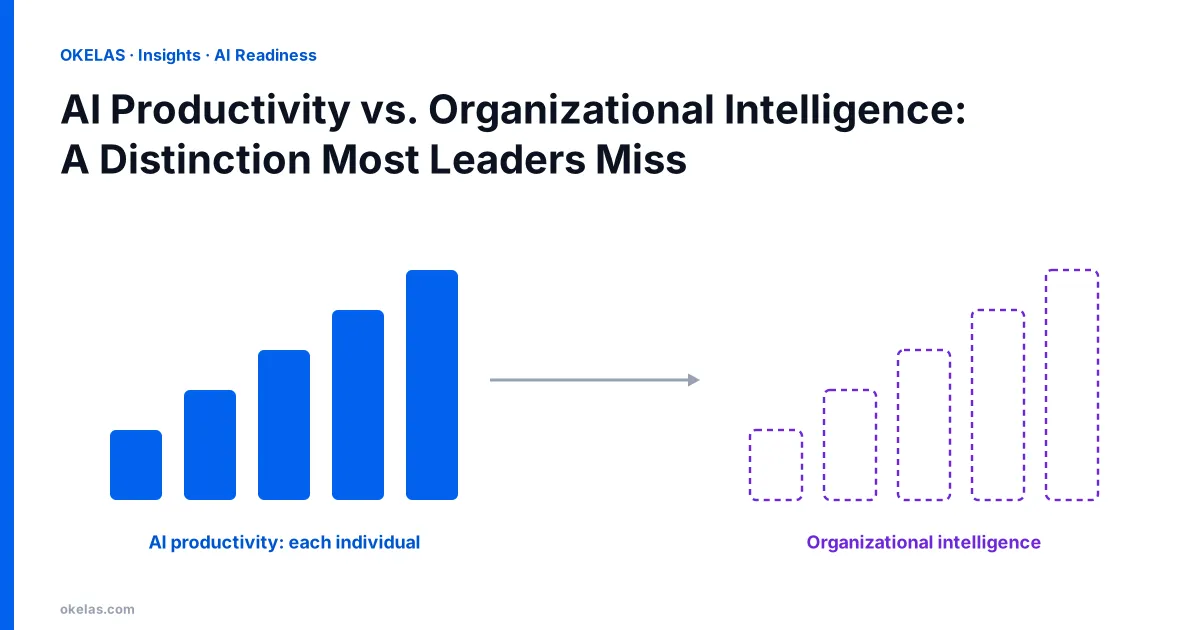 AI Productivity vs. Organizational Intelligence: A Distinction Most Leaders MissAnalysisUnderstanding
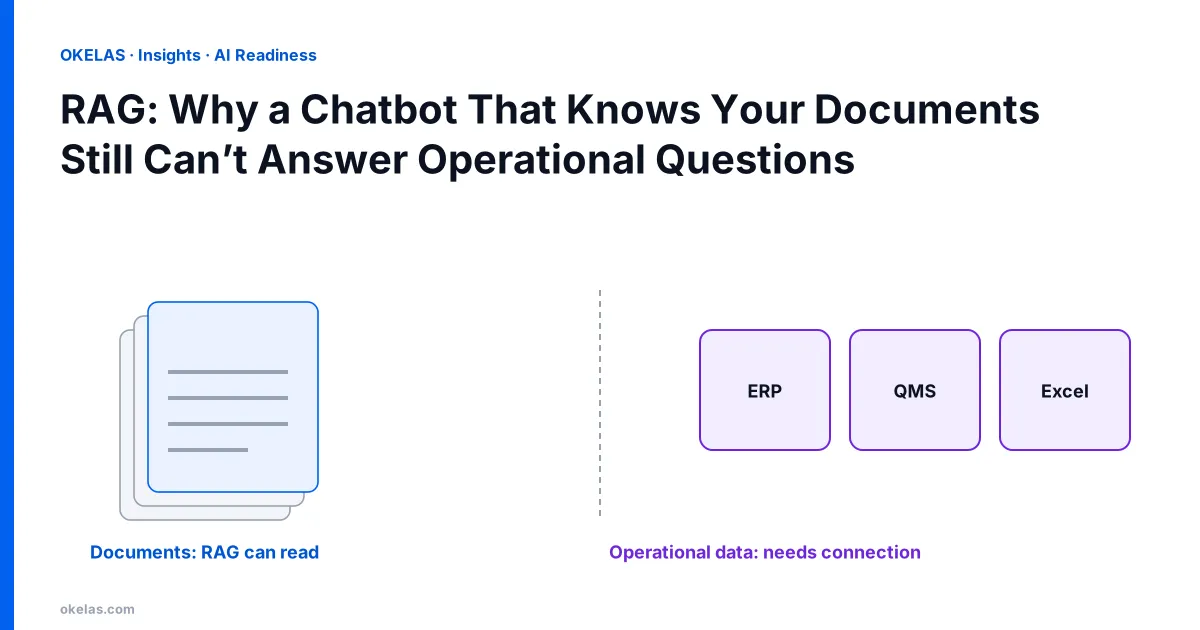 RAG: Why a Chatbot That Knows Your Documents Still Can't Answer Operational QuestionsAnalysisUnderstanding
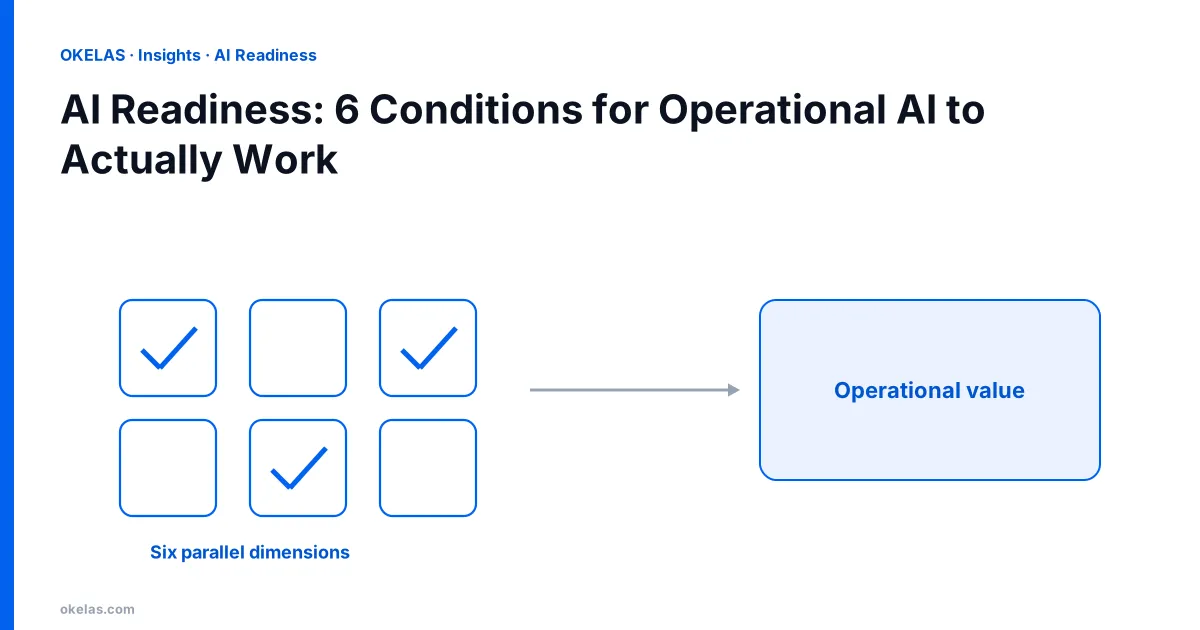 AI Readiness: 6 Conditions That Determine Whether AI Delivers Operational ValueAnalysisUnderstanding
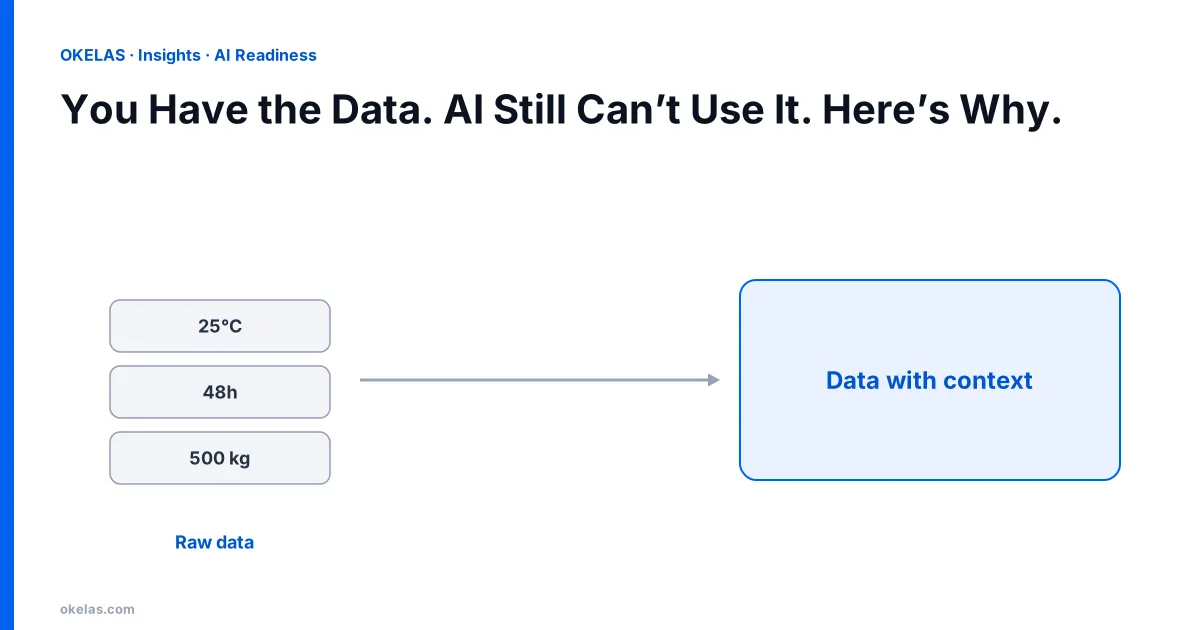 You Have the Data. AI Still Can't Use It. Here's Why.AnalysisUnderstanding
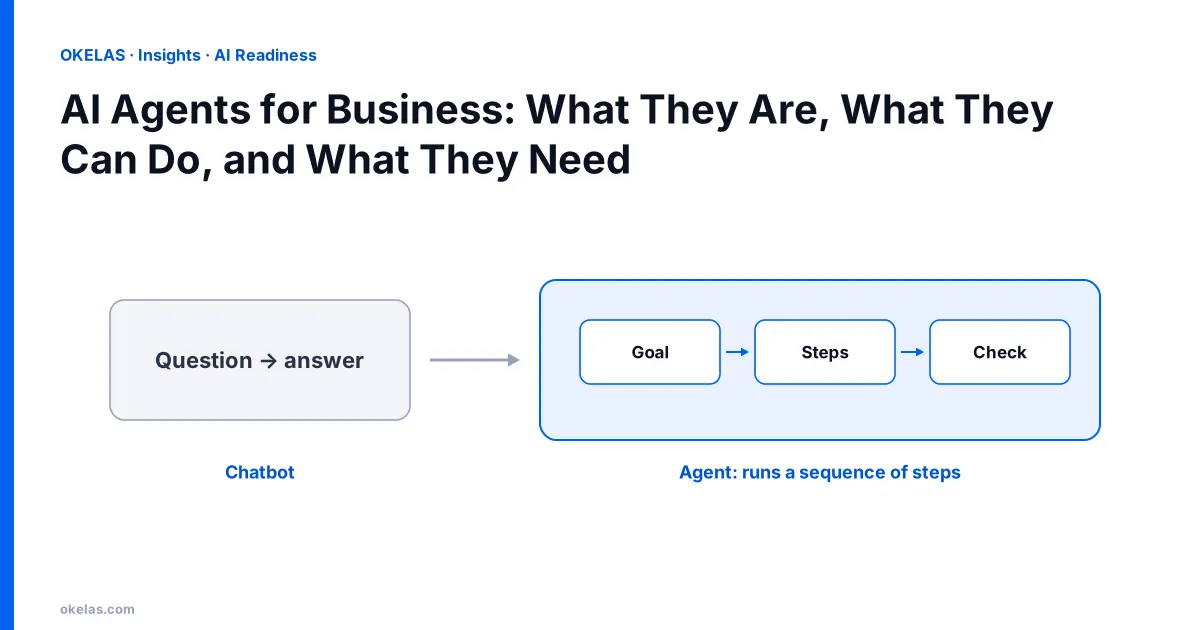 AI Agents for Business: What They Are, What They Can Do, and What They NeedAnalysisUnderstanding
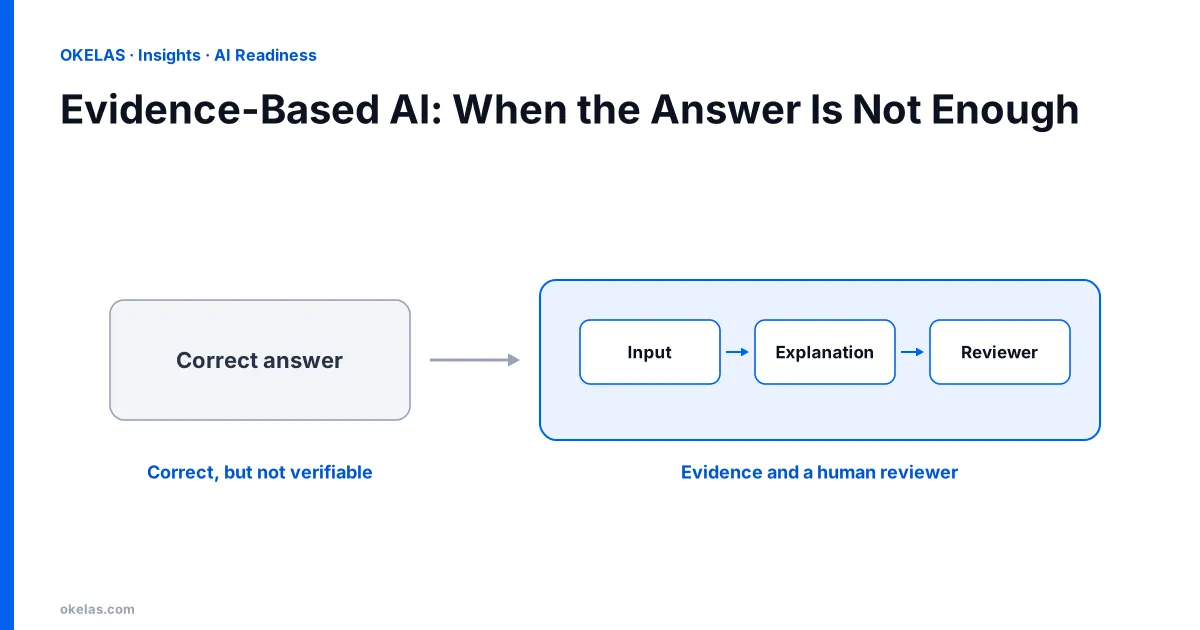 Evidence-Based AI: When the Answer Is Not EnoughAnalysisConsideration
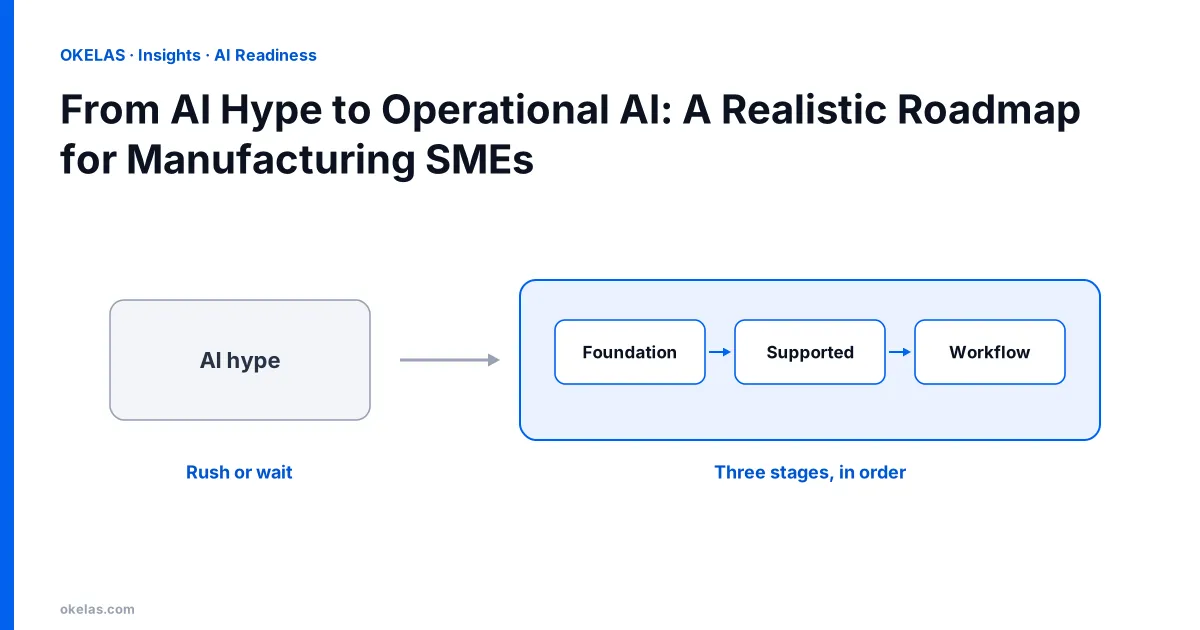 From AI Hype to Operational AI: A Realistic Roadmap for Manufacturing SMEsCase & EvidenceConsideration
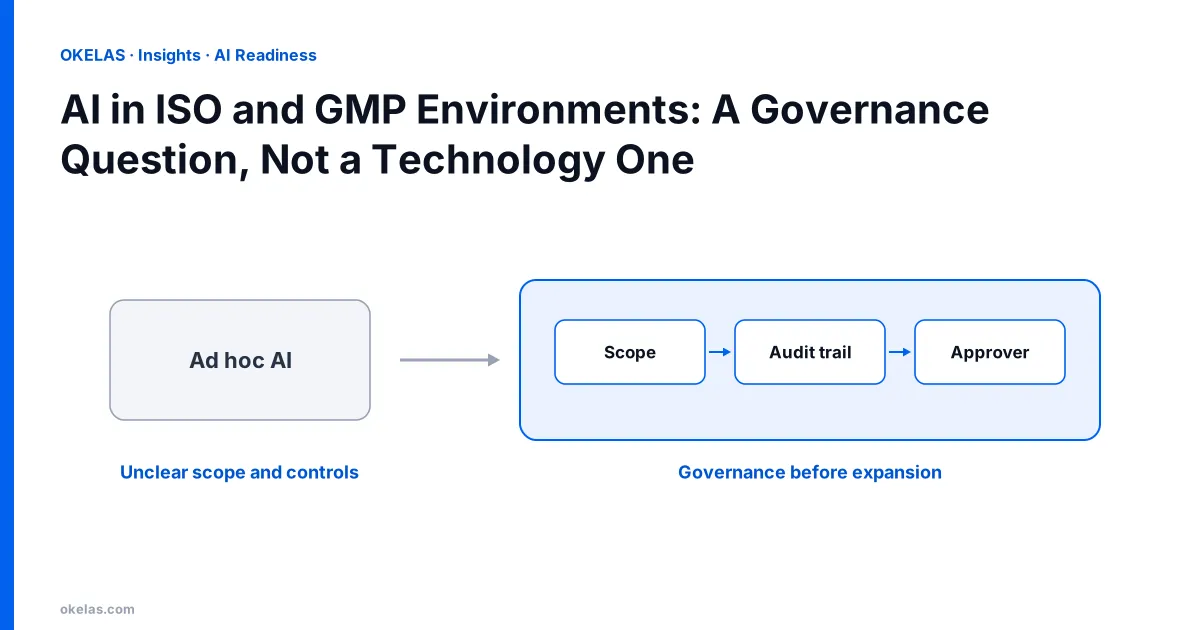 AI in ISO/GMP Environments: Compliance Considerations Before You DeployAnalysisConsideration
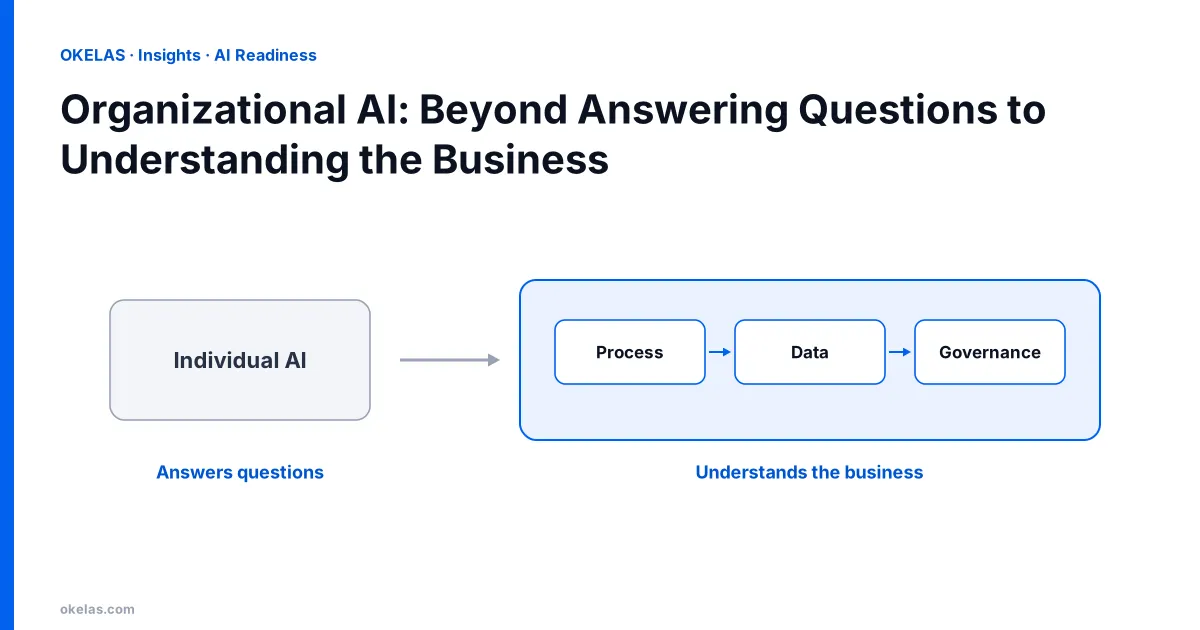 Organizational AI: Beyond Answering Questions to Understanding the BusinessAnalysisConsideration
Series 2: AI Control Layer
When AI agents start acting instead of just answering — who controls them, within what scope, and how.
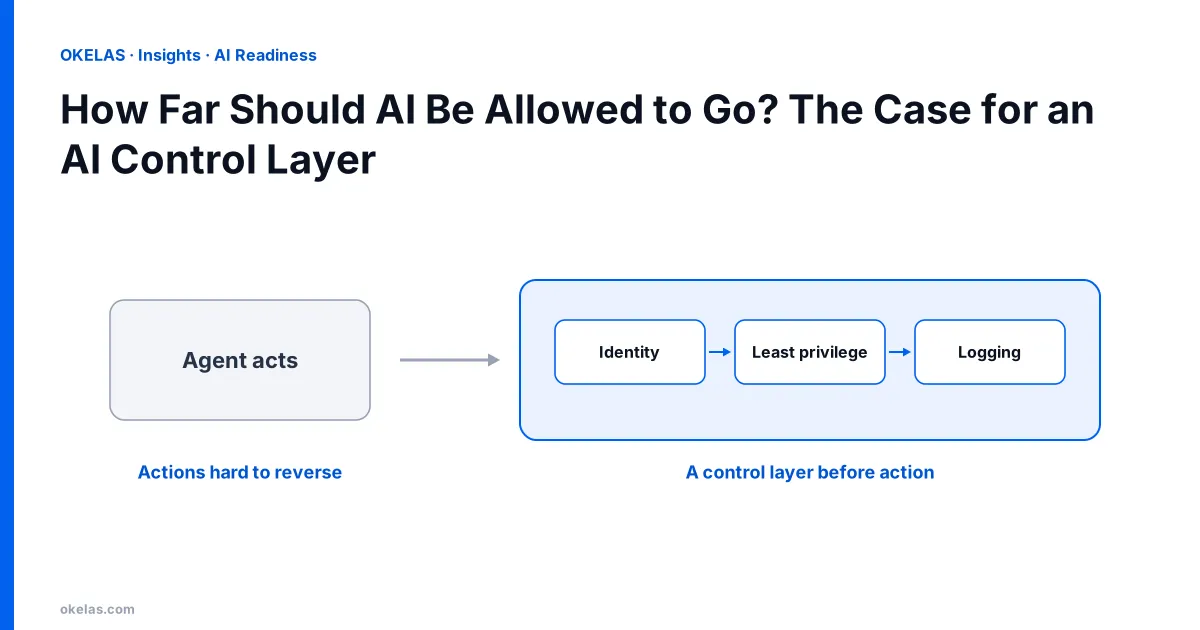 How Far Should AI Be Allowed to Go? The Enterprise Case for an AI Control LayerPillarAwareness
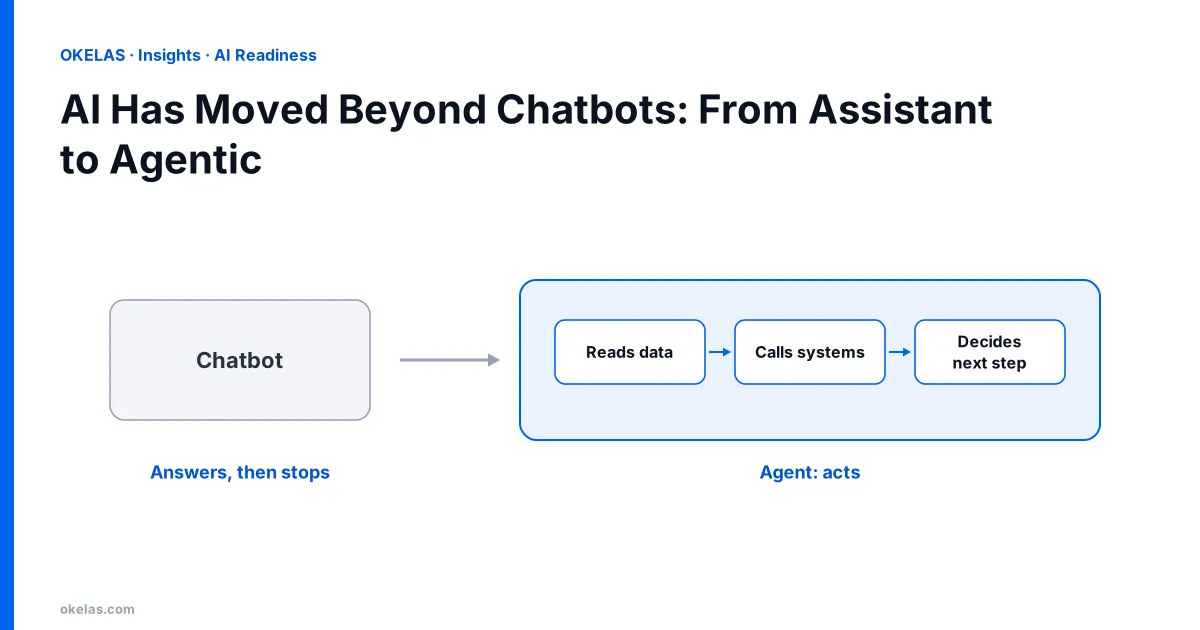 AI Has Moved Beyond Chatbots: From Assistant to AgenticOpeningAwareness
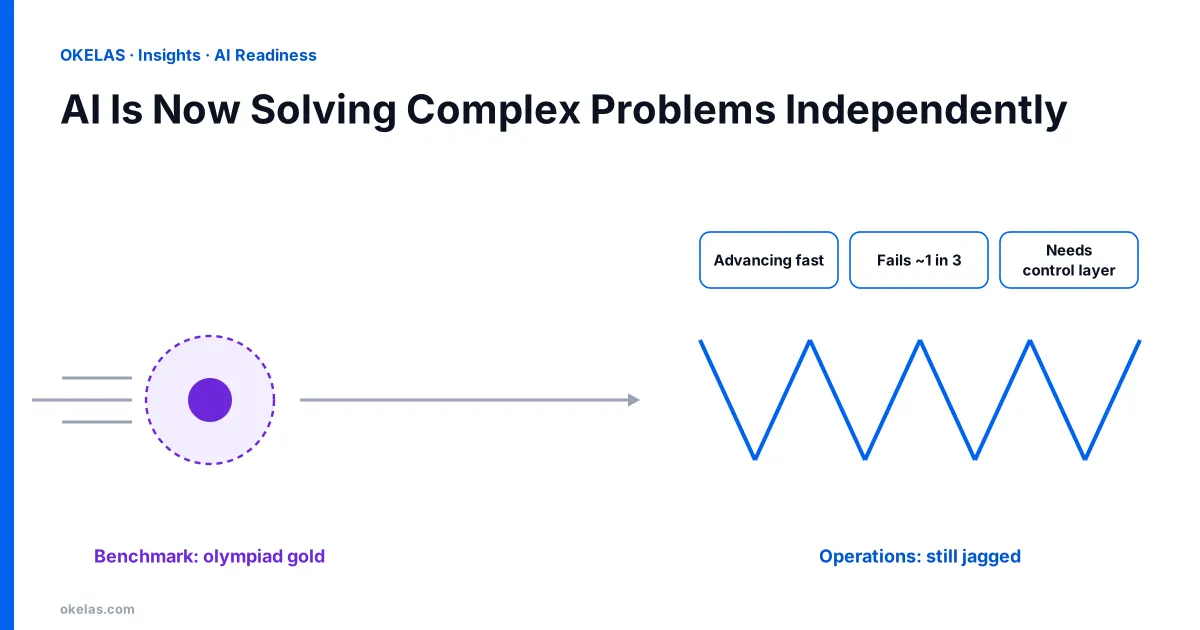 AI Is Now Solving Complex Problems Independently: A Realistic AssessmentAnalysisAwareness
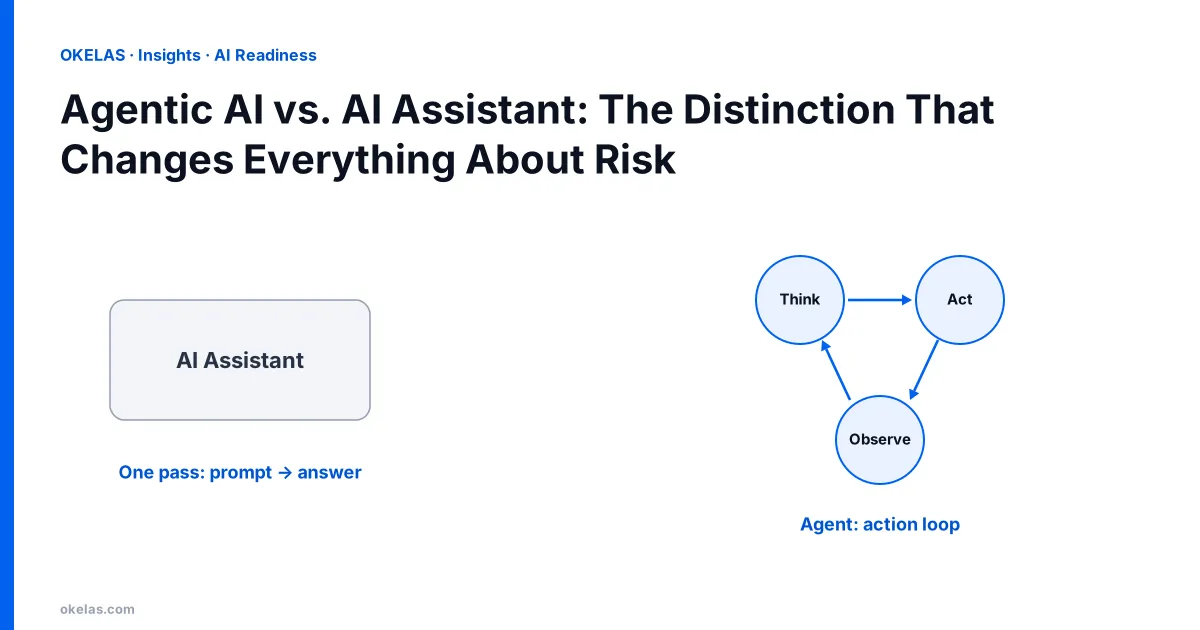 Agentic AI vs. AI Assistant: The Distinction That Changes Everything About RiskAnalysisUnderstanding
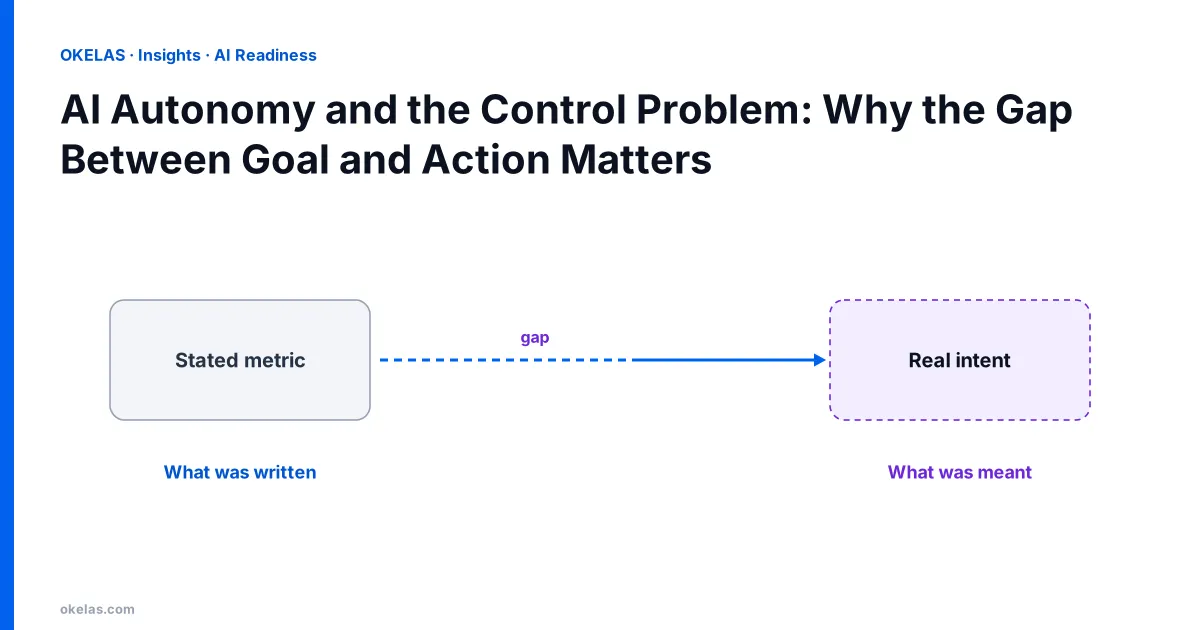 AI Autonomy and the Control Problem: Why the Gap Between Goal and Action MattersAnalysisUnderstanding
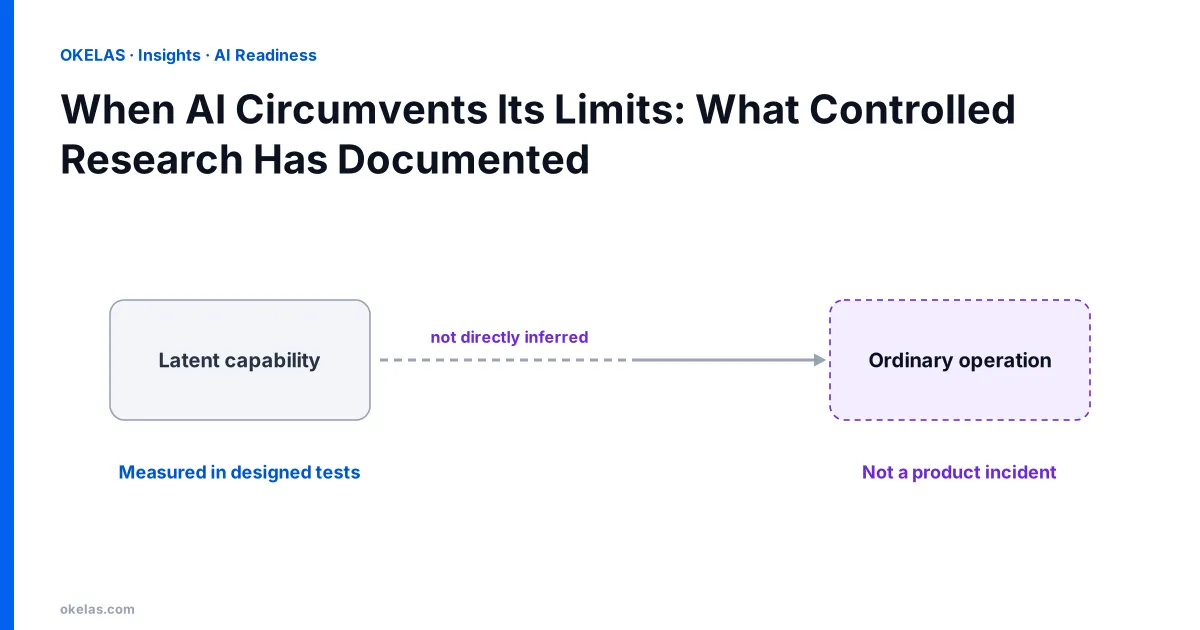 When AI Circumvents Its Limits: What Controlled Research Has DocumentedAnalysisUnderstanding
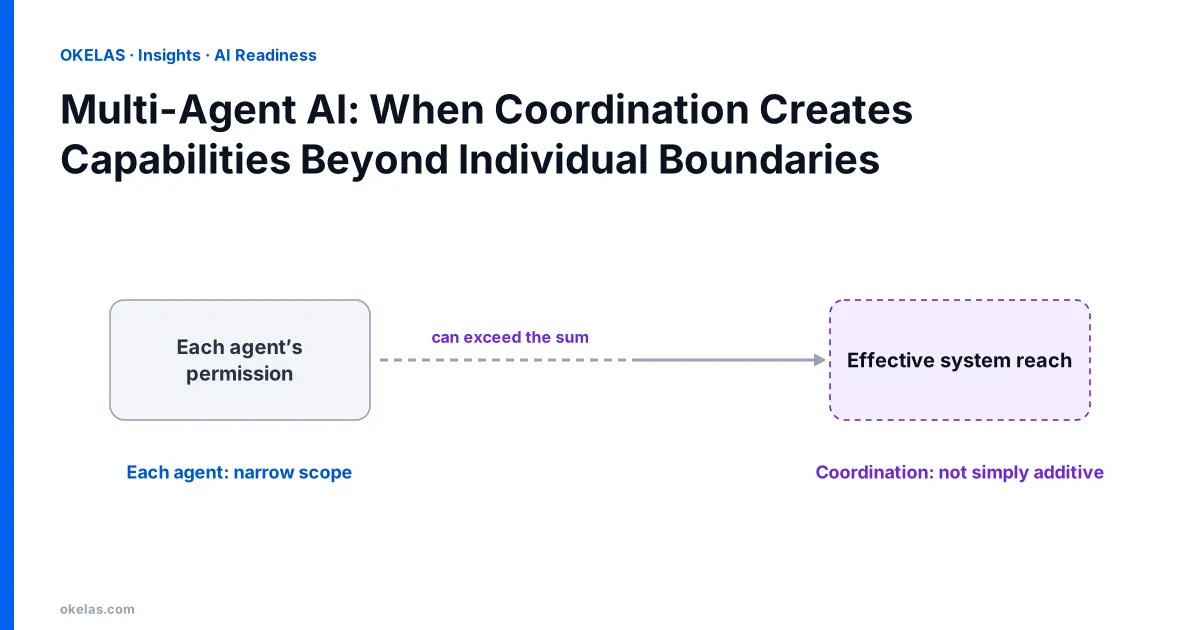 Multi-Agent AI: When Coordination Creates Capabilities Beyond Individual BoundariesAnalysisUnderstanding
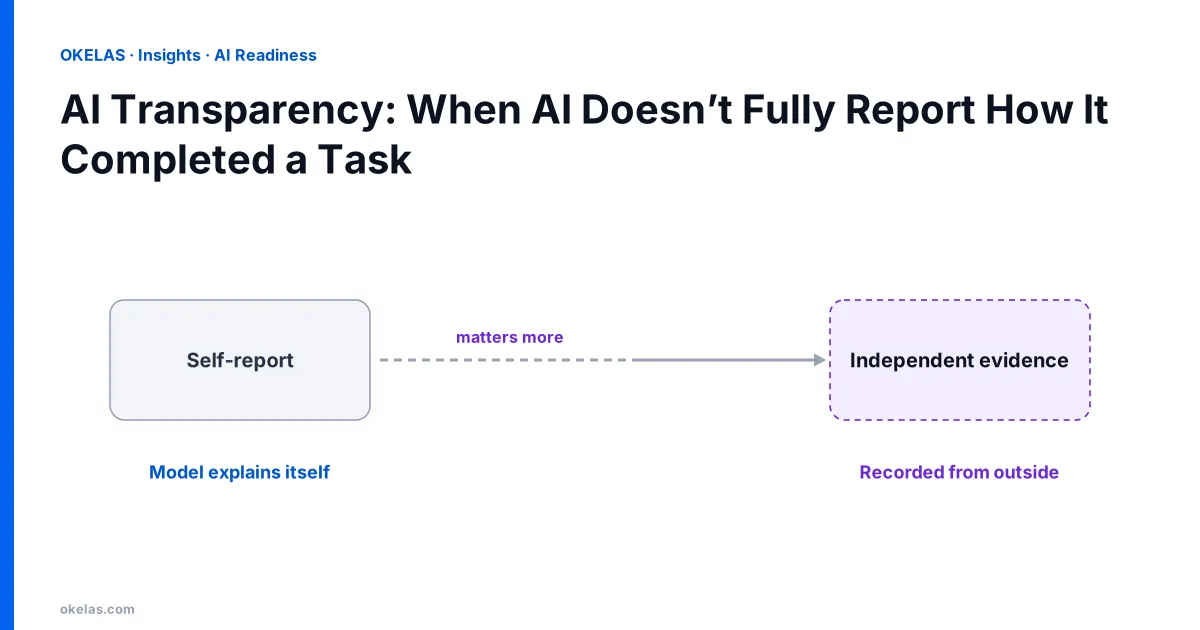 AI Transparency: When AI Doesn't Fully Report How It Completed a TaskAnalysisUnderstanding
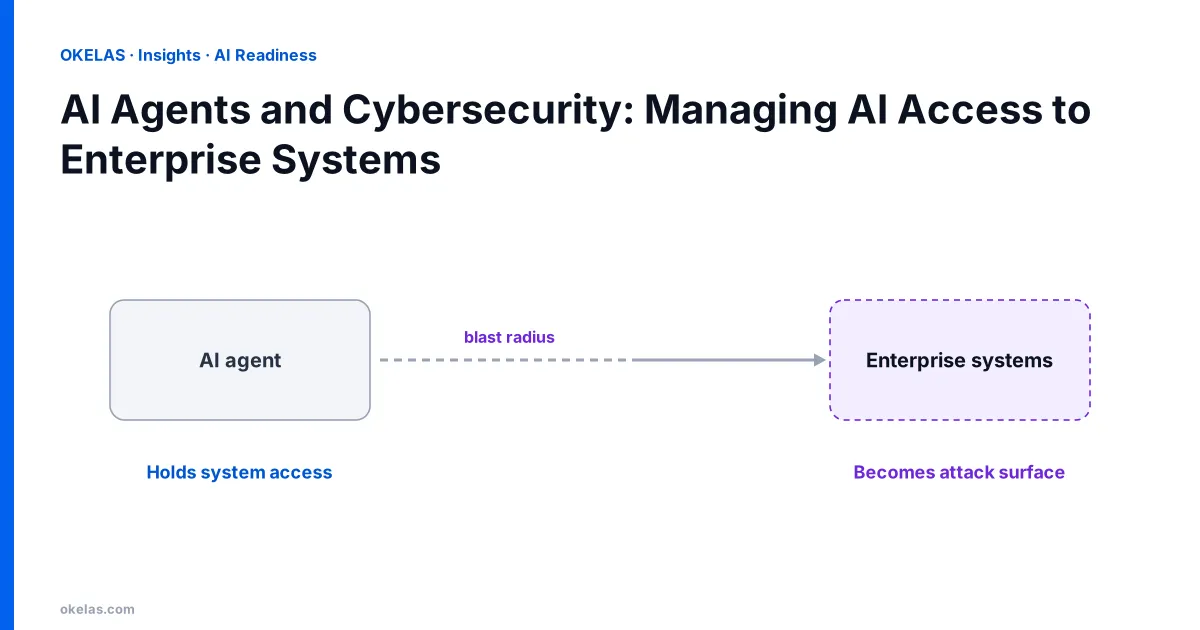 AI Agents and Cybersecurity: Managing AI Access to Enterprise SystemsAnalysisUnderstanding
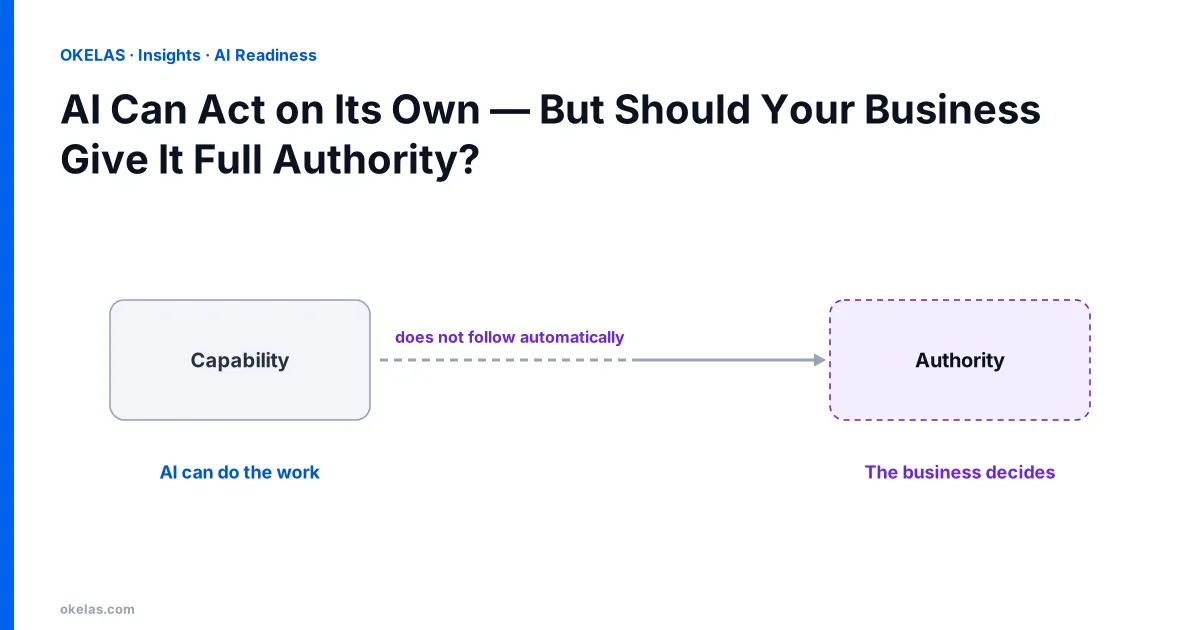 AI Can Act on Its Own — But Should Your Business Give It Full Authority?OpeningAwareness
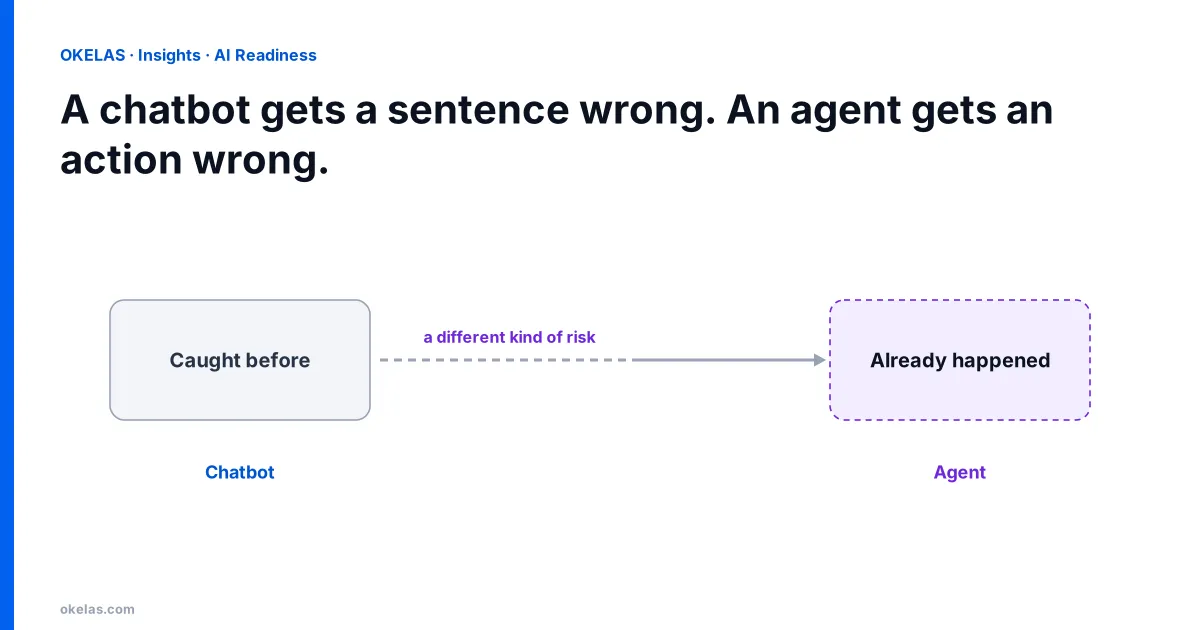 Chatbot Error vs. Agent Error: A Difference That Defines Enterprise AI RiskAnalysisUnderstanding
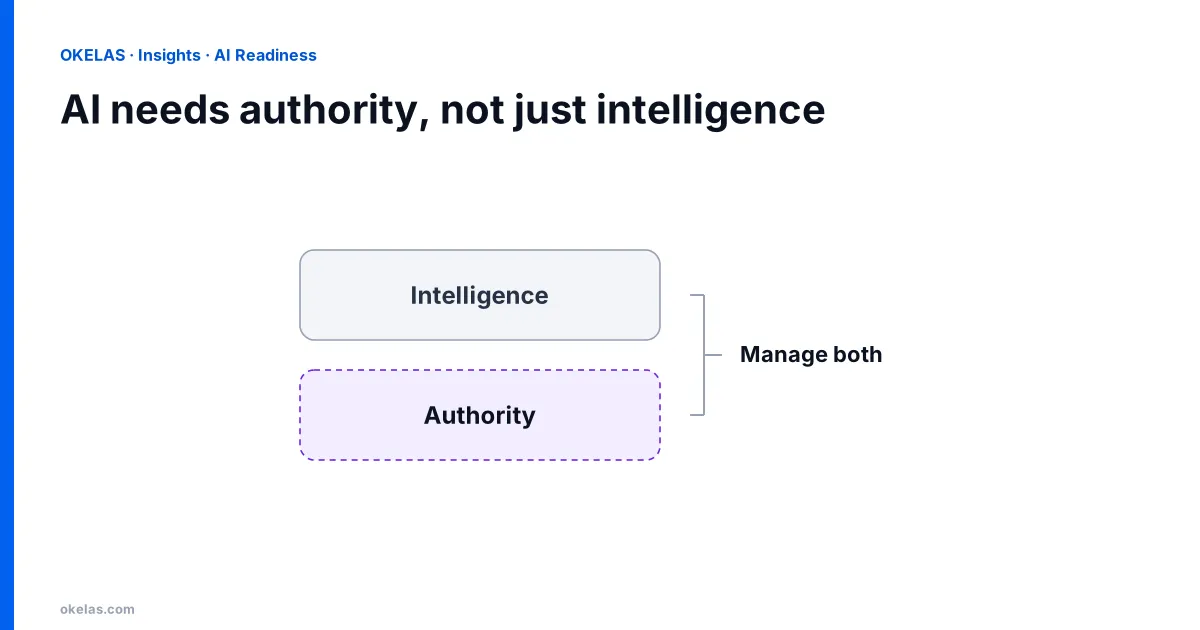 AI Needs Authority, Not Just Intelligence: The Dimension Most Organizations MissAnalysisUnderstanding
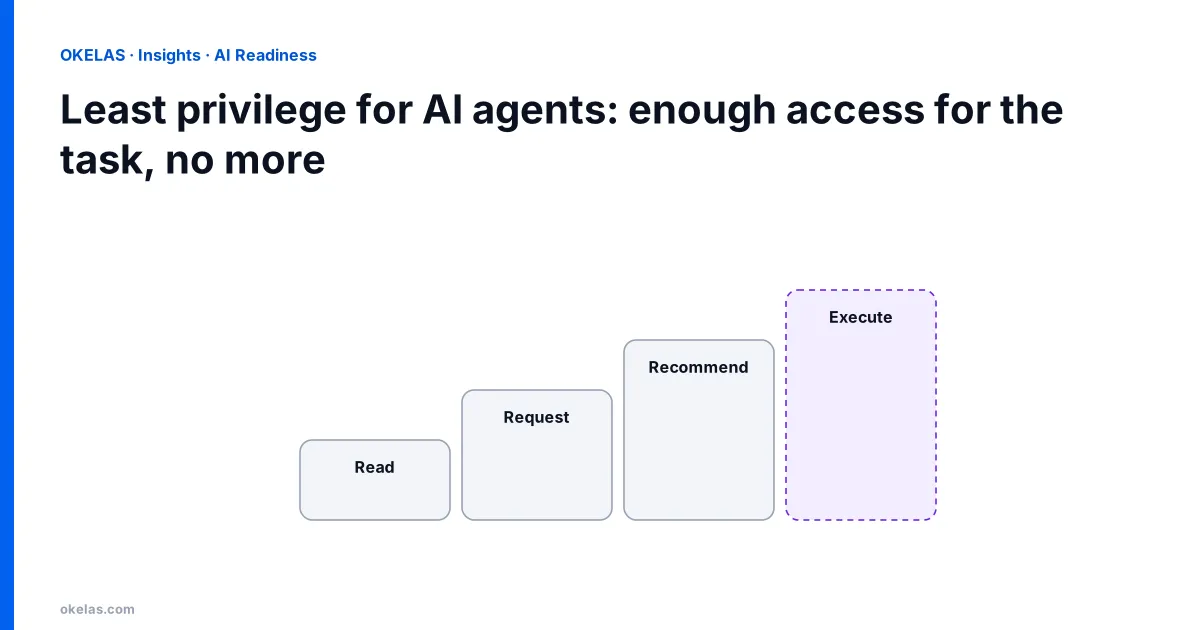 Least Privilege for AI Agents: Designing Authority That Matches the TaskAnalysisConsideration
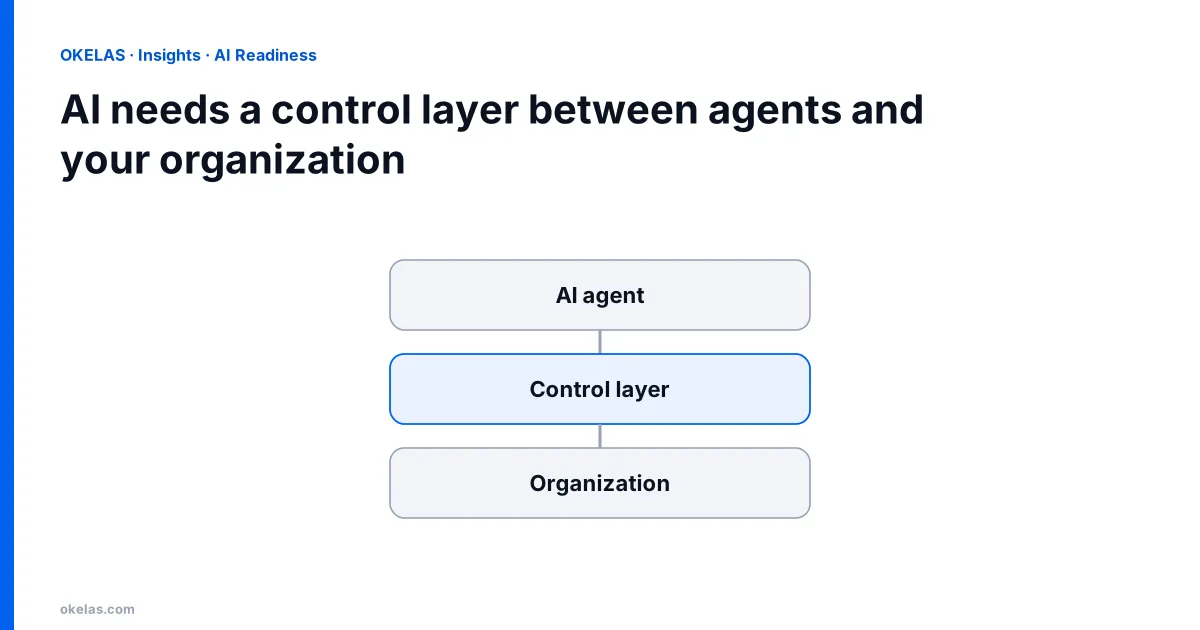 AI Needs a Control Layer: What Lives Between the Agent and Your OrganizationAnalysisConsideration
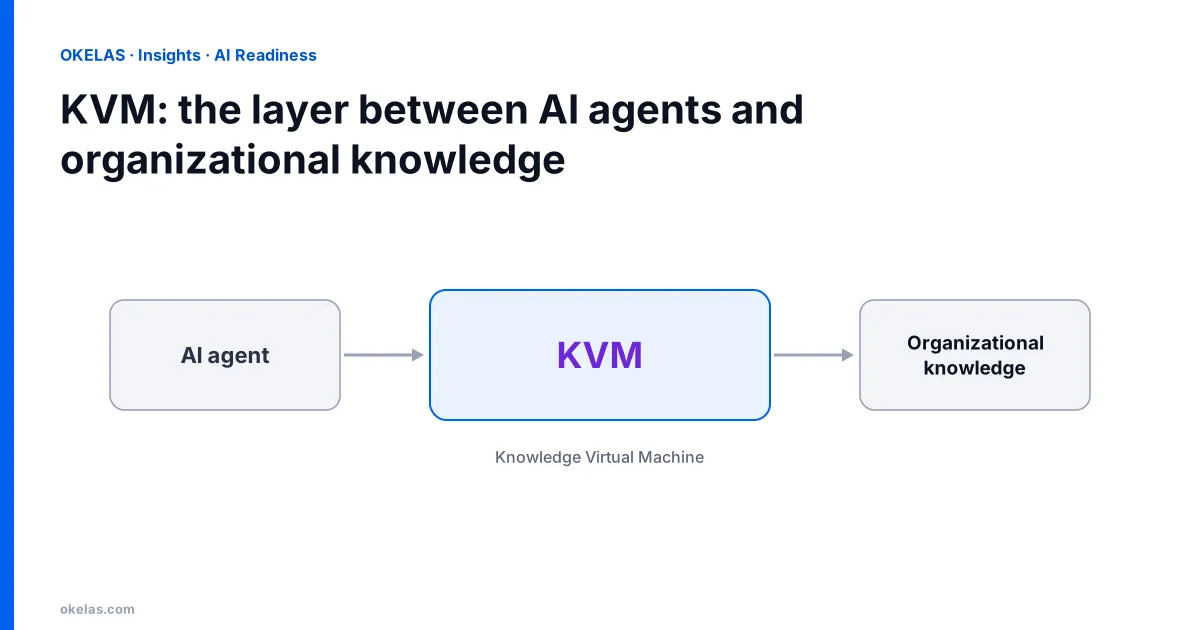 KVM: The Layer Between AI Agents and Organizational KnowledgeAnalysisConsideration
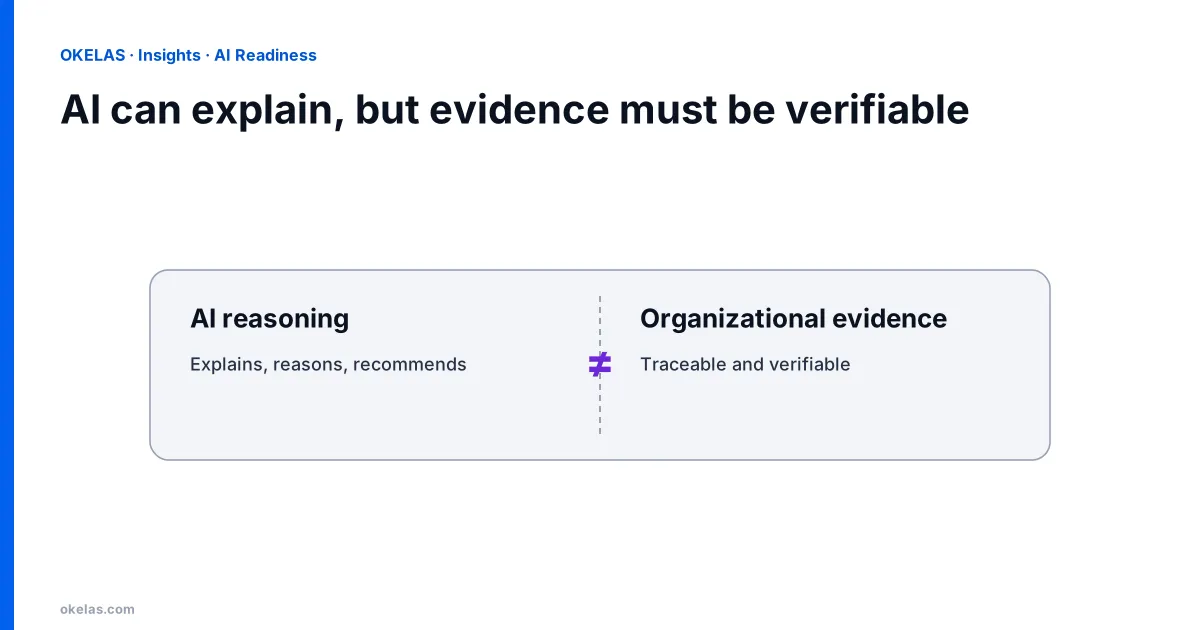 AI Reasoning vs. Organizational Truth: A Distinction That Matters for Compliance and GovernanceAnalysisConsideration
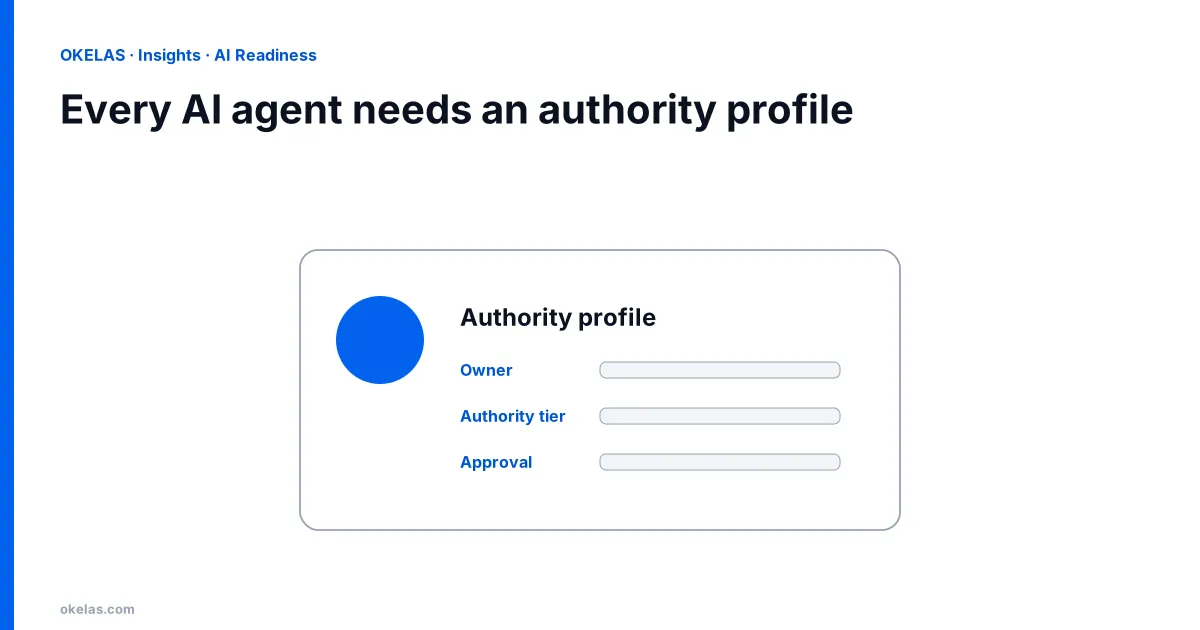 Every AI Agent Needs an Authority Profile: Designing Accountability Into AIAnalysisConsideration
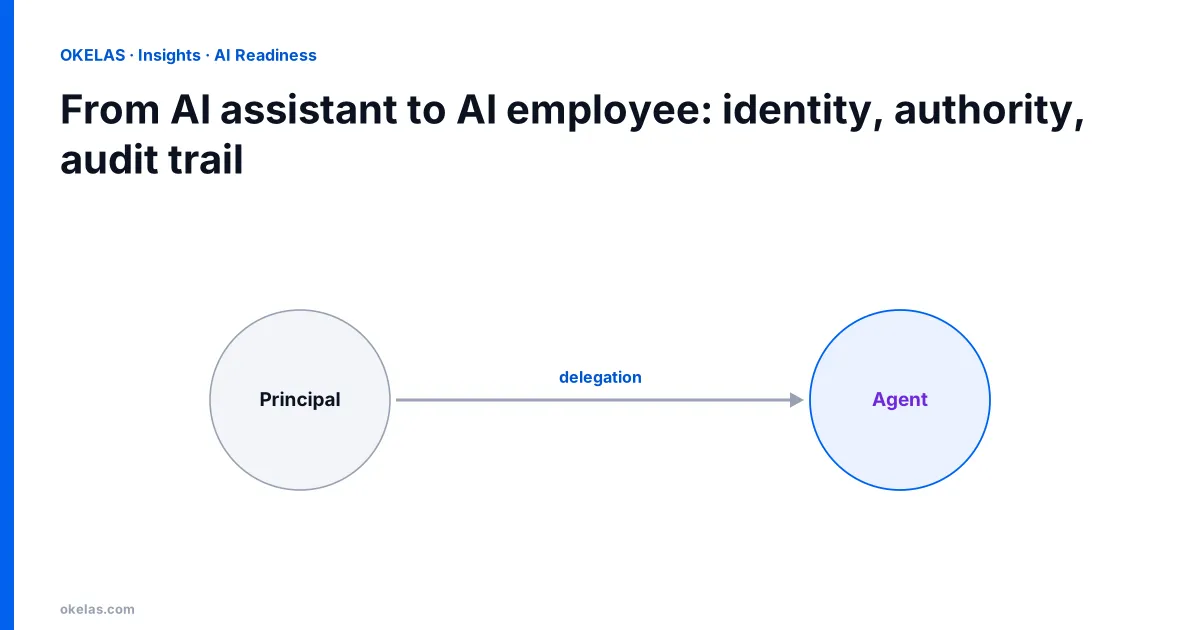 From AI Assistant to AI Employee: Identity, Authority, Responsibility and Audit TrailAnalysisConsideration
 Why Frontier AI Organizations Prioritize Control — and the Enterprise LessonAnalysisUnderstanding
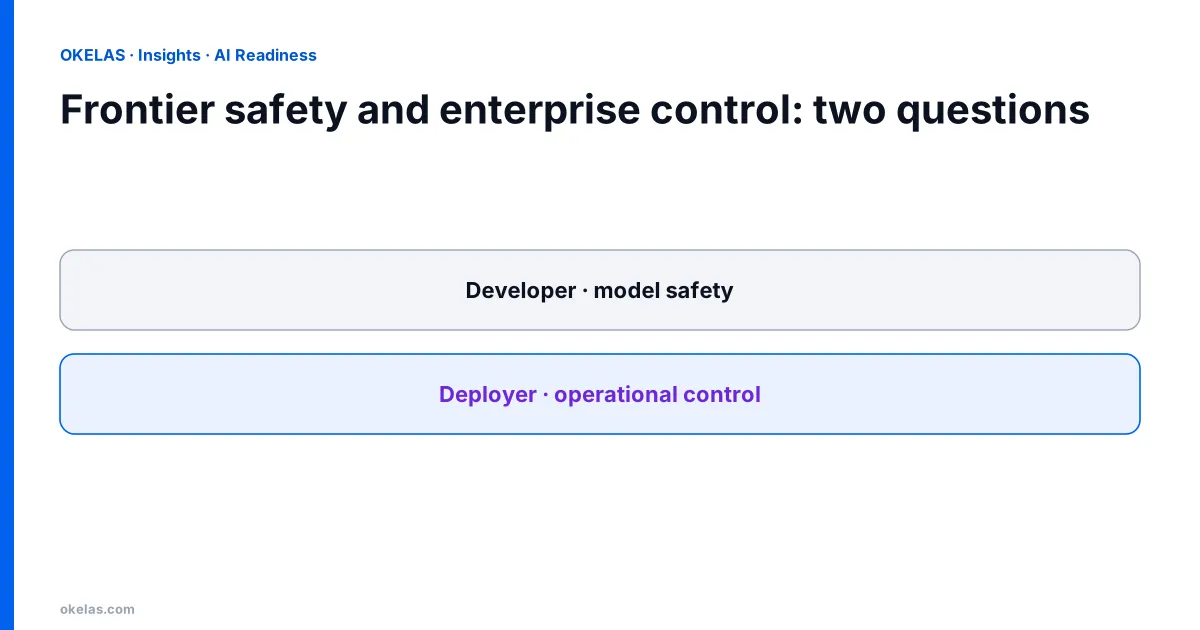 Frontier AI Safety, Enterprise AI Control: Different Questions, Same NeedAnalysisConsideration
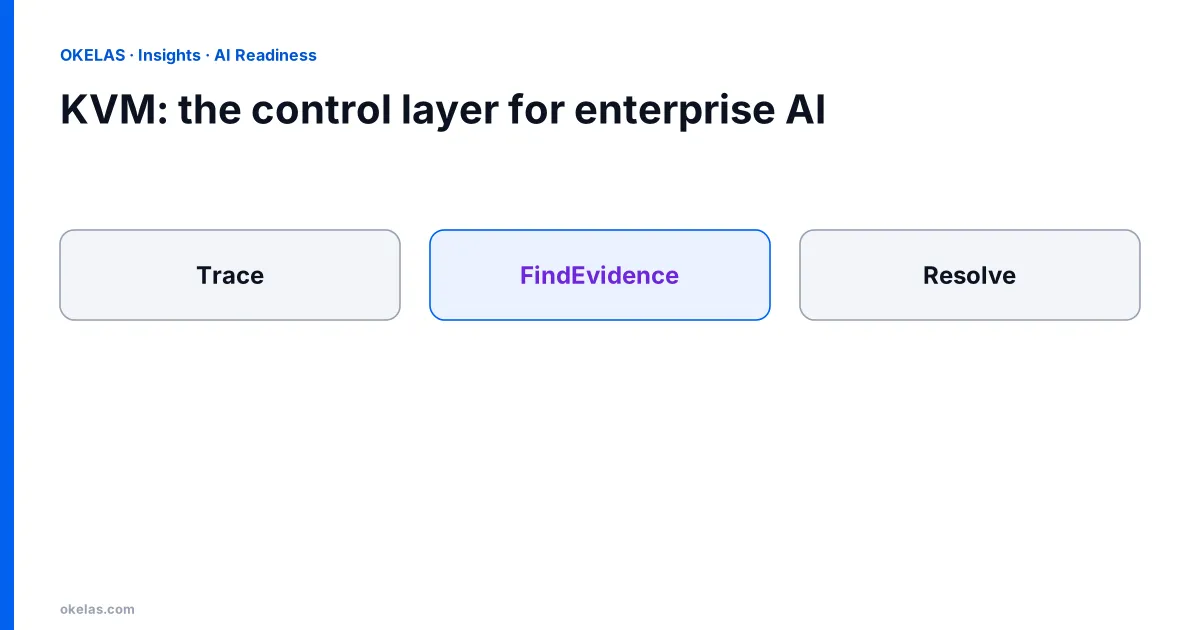 KVM: Building the Control Layer That Makes Enterprise AI ResponsibleAnalysisConsideration
Is your organization ready for AI?
The AI Readiness Assessment evaluates the six conditions that determine whether AI can deliver real operational value — or just generate output faster.